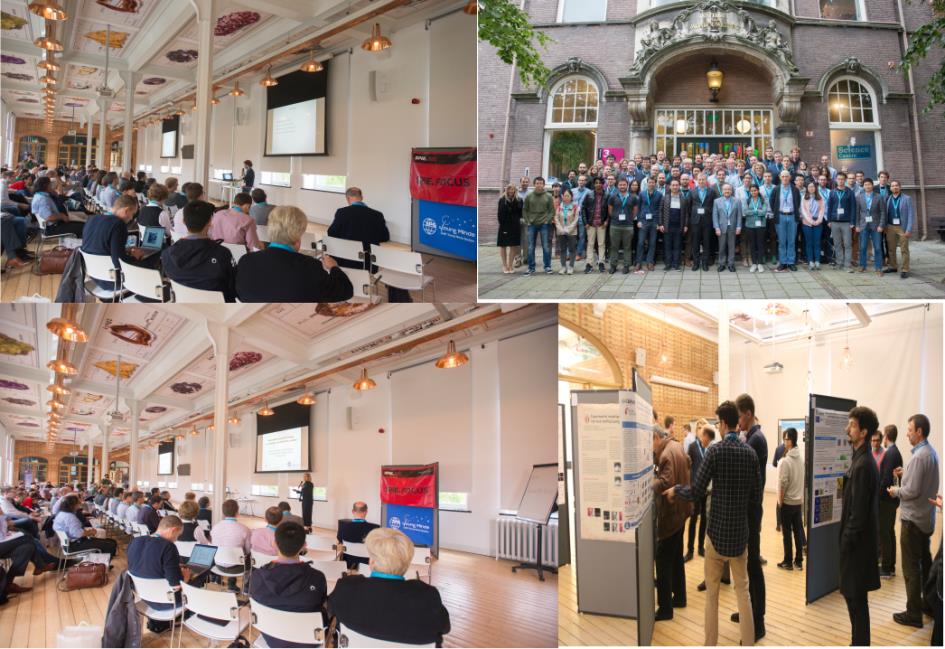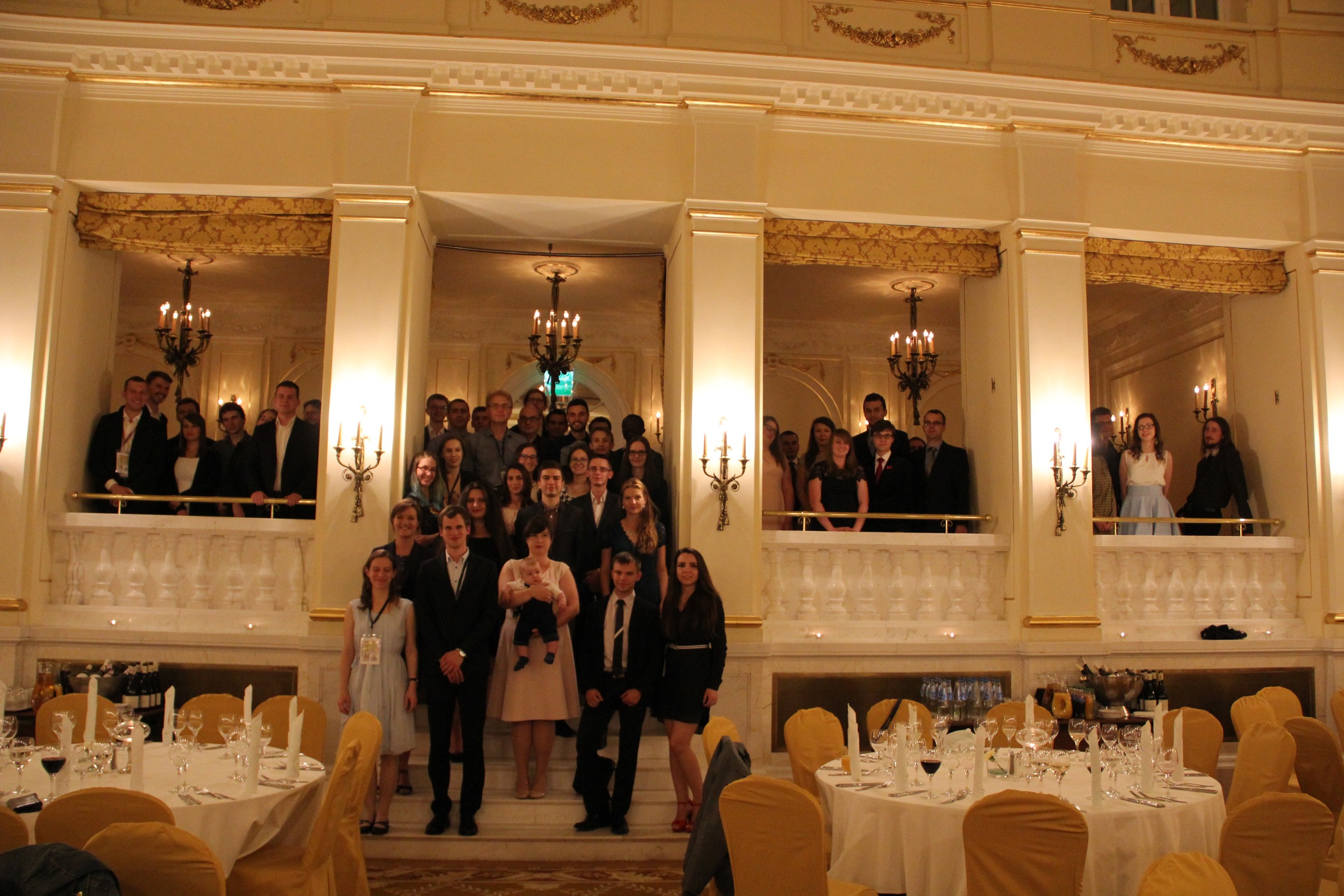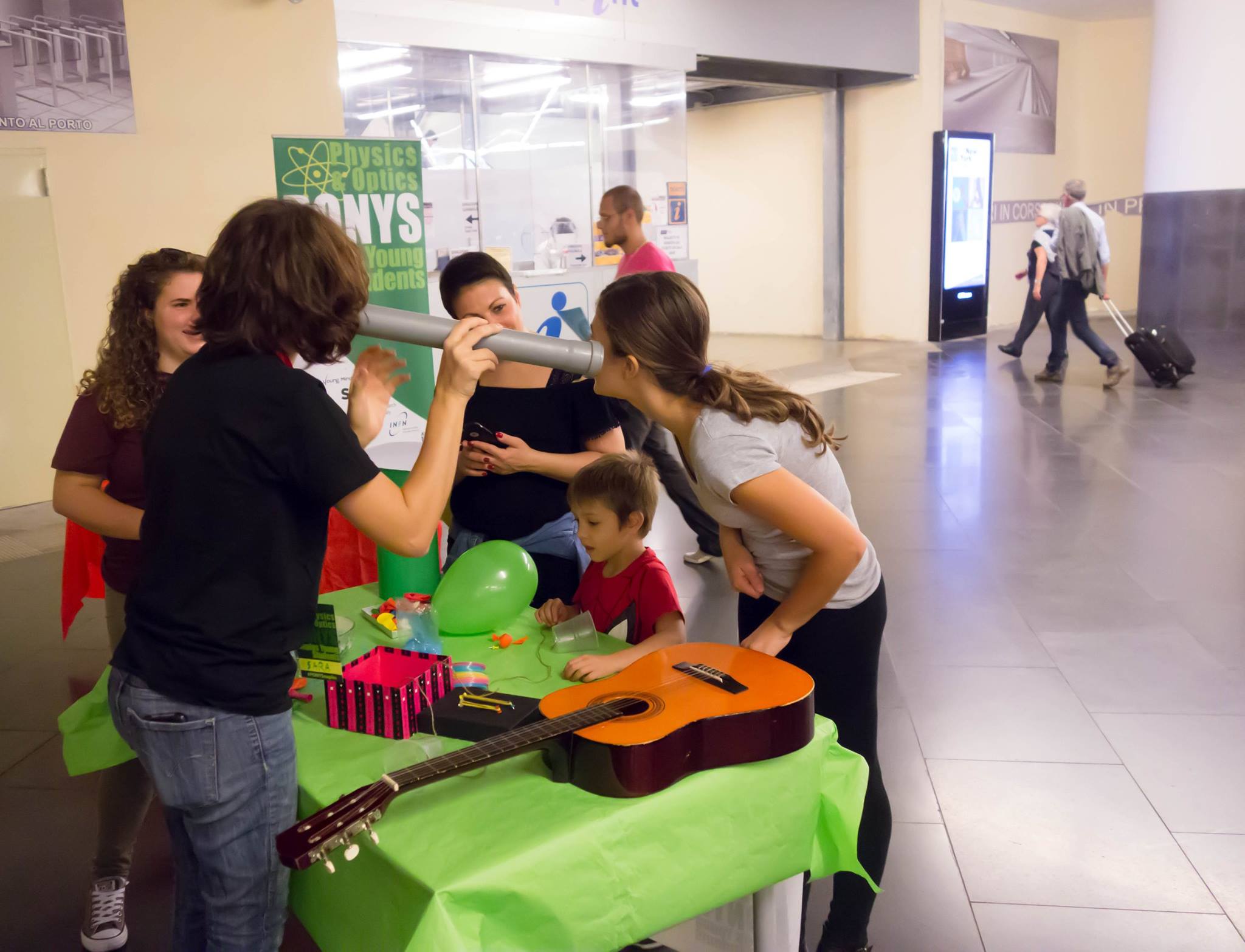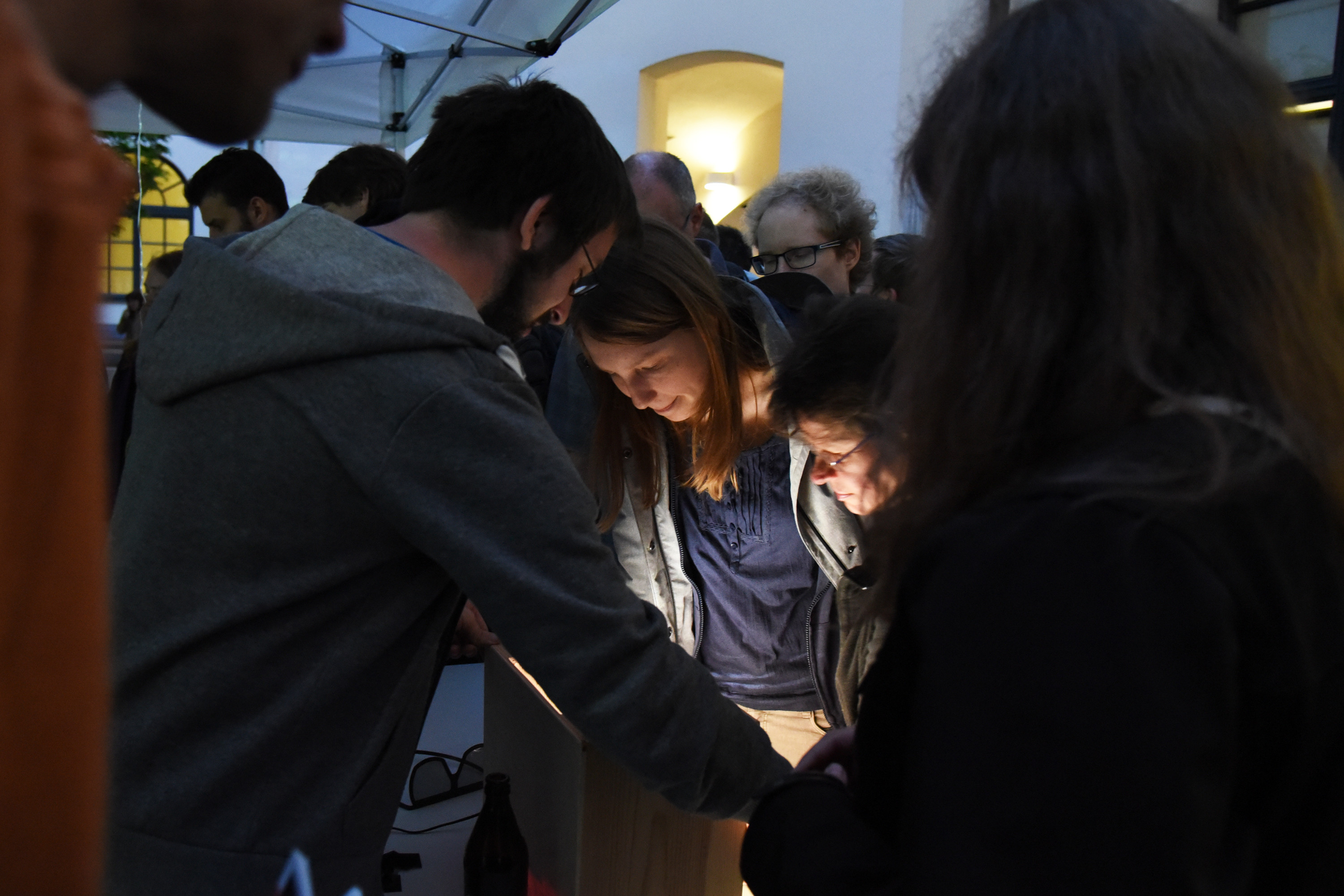
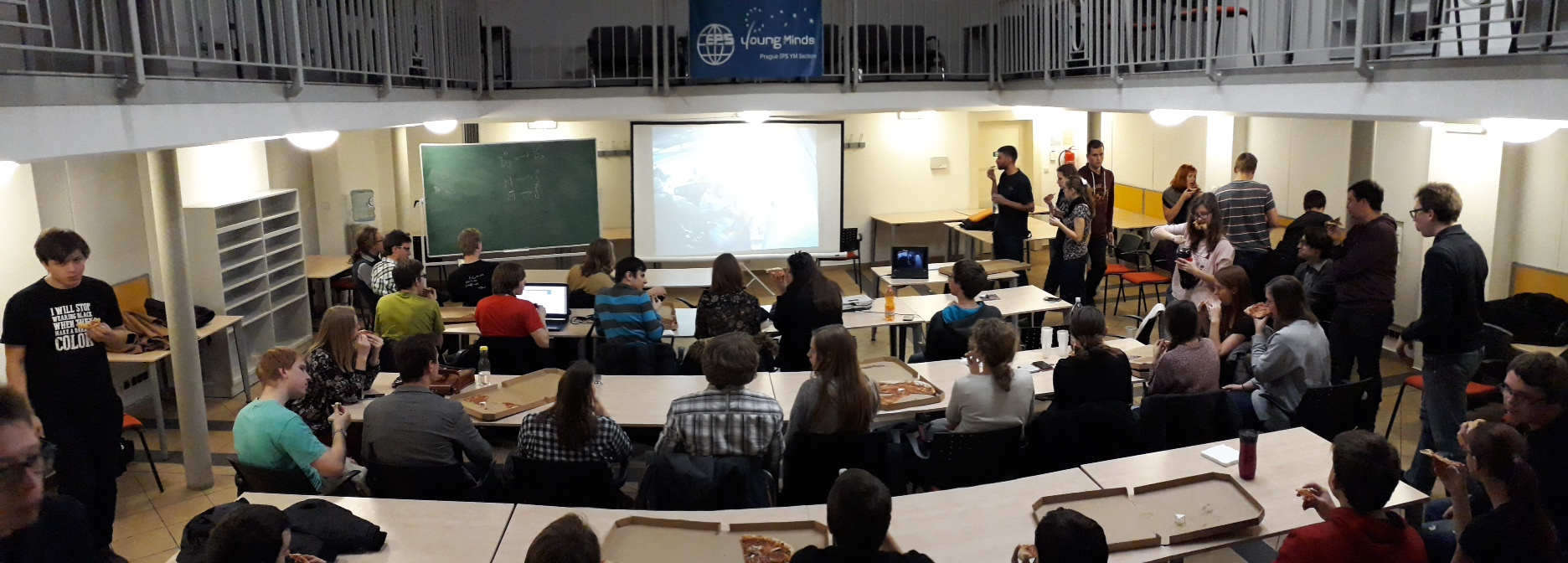
One of the main goals of EPS Young Minds project is to connect young scientists among different physics fields. Therefore, Prague section is organizing students’ colloquiums named Physics Pizza Party: Students 4 students, where young scientists from different universities and research fields presented their research activities. These events prove to be very successful in winter semester in 2017.
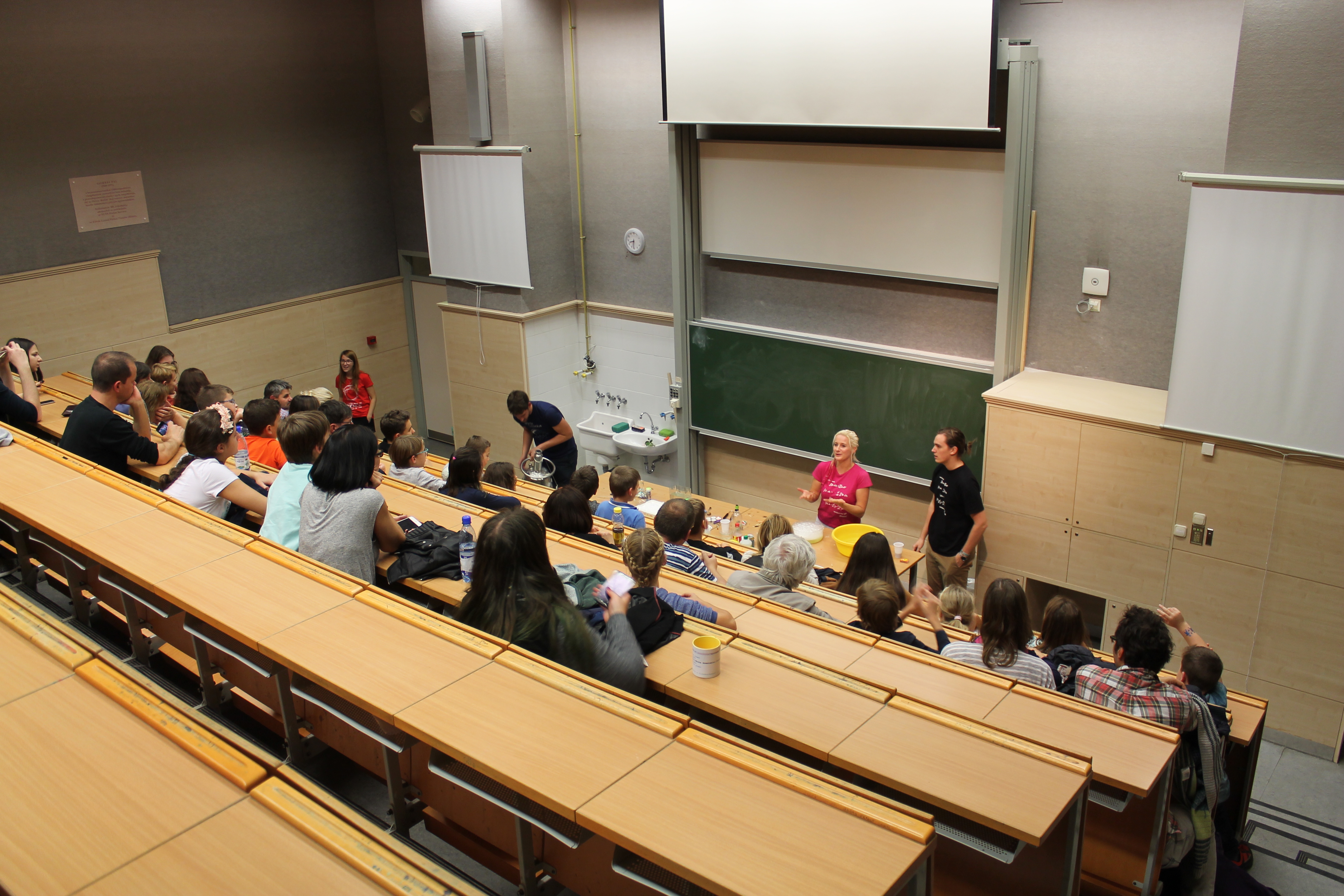
Totally, we organized four colloquiums this semester, where different physics fields were presented by Ph.D. and master students from our faculty. Topics such as luminescent nanocrystals, mechanics of free fall in practice and modeling of quasicrystals were presented at the colloquiums. For most of invited speakers, it was their first experience to present their research activities in front of the audience which had not been familiar with the topic. Despite of this fact, each talk was perfectly prepared, and therefore it wasn’t difficult to understand given topic. Each event was scheduled for about 90 minutes with half of the time dedicated for the presentation and other half for the discussion, but due to the big interest from the audience and their questions during and after presentation, average time of colloquiums was about 2 hours. According to the speakers it was very rewarding experience for them.
Event promotion was made in form of posters placed in school buildings. It was also advertised on our social webpages, such as Facebook and Instagram, for the purpose of inviting as many participants as possible. Due to this advertisement and students’ high interest, our colloquiums had attendance around 40 students per one colloquium.
The Prague EPS Young Minds Section found these colloquiums rewarding as the “students for students” style of presentations is still rare in our country and is not frequently done by any other organisations. Based on the warm reaction and positive feedback received from colloquiums’ participants, we assume that they were successful. The high number of regular as well as occasional participants motivates us to continue with this activity.
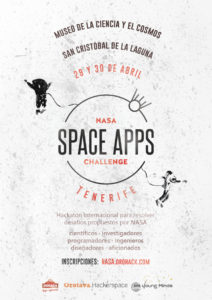 Since its inception in 2012, the International Space Apps Challenge, a part of NASA’s Earth Science Division, has become the world’s largest global hackathon, engaging thousands of citizens each year across the globe to work with NASA in building innovative solutions challenges we face on Earth and in space using open source data. Space Apps inspires local innovation communities in cities across six continents to convene, ideate and build. Diverse and collaborative teams of technologists, scientists, designers, entrepreneurs, and others work together in a 48-hour sprint to develop answers to some of the most pressing challenges facing planet Earth using NASA data. Over 25,000 citizens from 69 countries and in 187 cities around the world participated in the 2017 International Space Apps Challenge.