Home > Articles posted by:Pasquale Francesco Romano ( > Page 3)

How to create appealing media content – a webinar organized by Young Minds

The current pandemic has impacted many organisations, leading to decreased productivity of many fields and delay in projects. Naturally, the Young Minds project has been affected as well. However, it has also opened the possibility to experiment with novel ways of communication and exchange, for instance webinars.

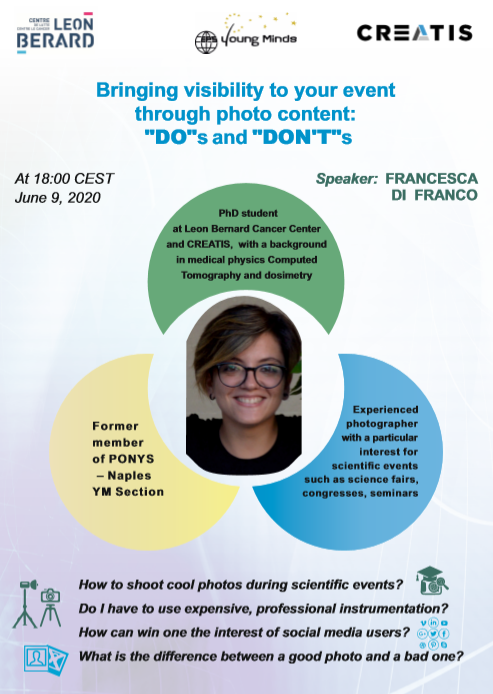
We are glad to share our positive experience with the very first webinar organized by the Action Committee: “Bringing visibility to your event though photos: DOs & DON’Ts” hosted on June the 9th covered aspects on creating media content that attract and tells stories, especially focusing on the connection between science and people. The event was moderated and hosted by Hripsime Mkrtchyan, YM Action Committee member, and the speaker was Francesca di Franco, PhD student at Leon Berard Cancer Center in Lyon and former member of the Naples YM section PONYS. Francesca has an extensive experience as a photographer, especially in scientific events such as science fairs, congresses and workshops. During the one hour long webinar she shared her know-how on the production of multimedia contents to maximize the impact of science-related activities on social media. The webinar and its record has been viewed by more than 100 followers, and is now uploaded in our YouTube channel, making it available for the wider community.

Webinar on creating appealing media coverage

OR6

Francesca di Franco, former member of the YM section Naples, will discuss how catchy media content can be created without the use of professional instrumentation.

The current COVID-19 pandemic has affected also the YM program in several ways, among the others the annual Leadership Meeting had to be postponed. This does not mean, however, that our yearly appointment will be skipped. For the rest of the year, we are planning a number of online seminars covering a range of topics from outreach to professional development and networking, with speakers coming from different backgrounds all over Europe.

First up is Francesca Di Franco, PhD student at Leon Berard Cancer Center in Lyon, and former member of the Naples YM section PONYS Physics & Optics Naples Young Students. Francesca has an extensive experience as photographer, especially for scientific events such as science fairs, congresses and workshop. She will share her know-how on the production of multimedia contents to maximize the impact of science-related activities on social media.

Arduino tutorial organized by Young Minds Section Aveiro

OR6

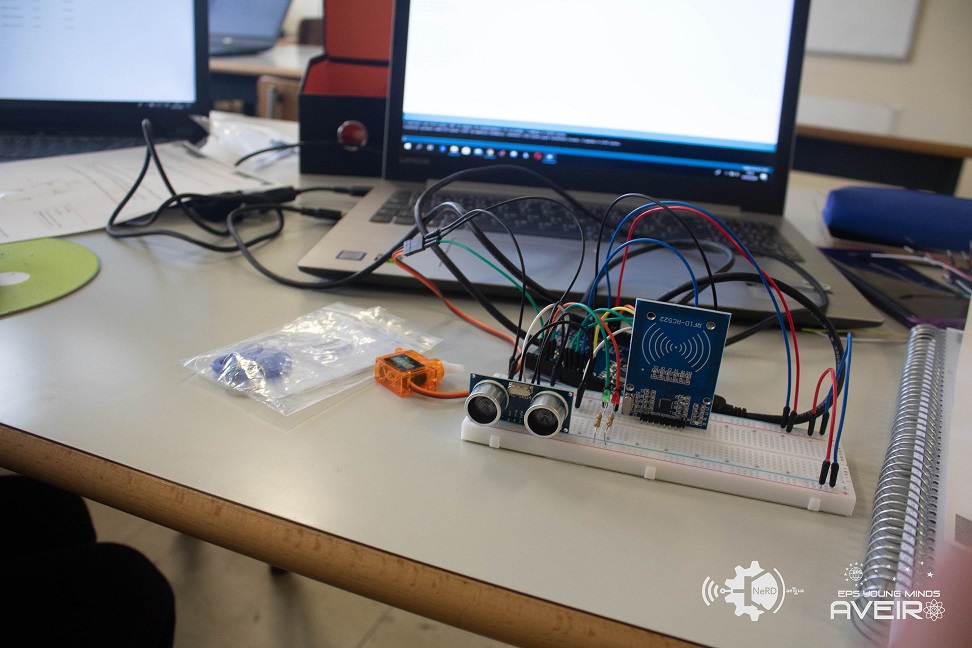
The Young Minds Section in Aveiro has organized a seminar on Arduino programming. Photo credit: YM Section Aveiro

This February the Young Minds Section of Aveiro has organized and hosted a course on Arduino programming. It was held by two local students of the Electronic, Telecommunication and Informatic Department (DETI) of the University of Aveiro. In four sessions, each 2 hours long, the participants were introduced in several topics concerning the electronic prototyping platform Arduino. The course attracted nineteen participants from different departments, and each of them received a kit with electronic components, necessary to learn and develop the Arduino projects proposed by the teachers. At the end of the course, each participant could keep the kit to themselves and continue to learn and test the new knowledge acquired. The course can be certainly considered a success, as it did not only enhance the knowledge of the participants, but also strengthened the connection of the Aveiro sections to other organizations from University of Aveiro.

Richard Zeltner elected new chair of YM Action Committee

OR6

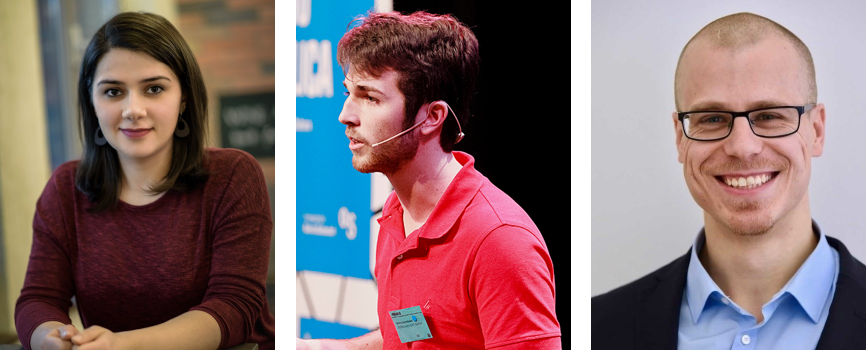
The YM Action Committee welcomes Hripsime Mkrtchyan (left) and Tanausú Hernández (middle). Richard Zeltner (right) has been elected as the new chair and is following Roberta Caruso, who did not run for another term, into office.

While the annual leadership meeting and the celebrations for the 10th anniversary of EPS YM have been postponed due to the Corona-pandemic many sections all over Europe are active despite the challenging situation, and some are even testing new and innovative formats to e.g. perform outreach activities via online channels.

Of course the Action Committee is active as well in managing the project, and has assembled for an online meeting last week. Among others the meeting brought the election of a new chair: Richard Zeltner will succeed Roberta Caruso, who did not run for another period, to the office. Many thanks to Roberta for years of dedication and leadership. But this was not the only personal change: Araceli Venegas-Gomez and Giorgio Nocerino are leaving the committee to follow new challenges, and Hripsime Mkrtchyan and Tanausú Hernández, who joined early this year, were formally introduced. Many thanks to Araceli and Giorgio for their valuable contributions over the years and all the best for their future, and welcome to Hripsime and Tanausú.

YM Action Committee – Call for applications

The YM Action Committee is currently looking for a limited number of motivated candidates to join.

The Committee members are engaged in the management of the whole project, including the approval or rejection grant applications and the definition of the strategic long-term goals for the future development.

If you are interested, please send an email to ac(at)epsyoungminds.org with a one-page (maximum) application stating your motivation, your experience within the projet and other experiences you beleieve are relevant. A previous history within Young Minds or similar programs is not mandatory but highly appreciated.

Deadline for applications is November 30th, notifications will be sent out by the end of December.

Leadership Meeting 2019

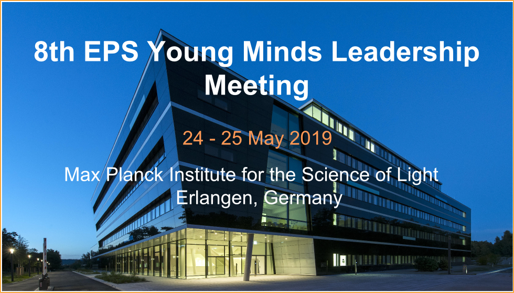
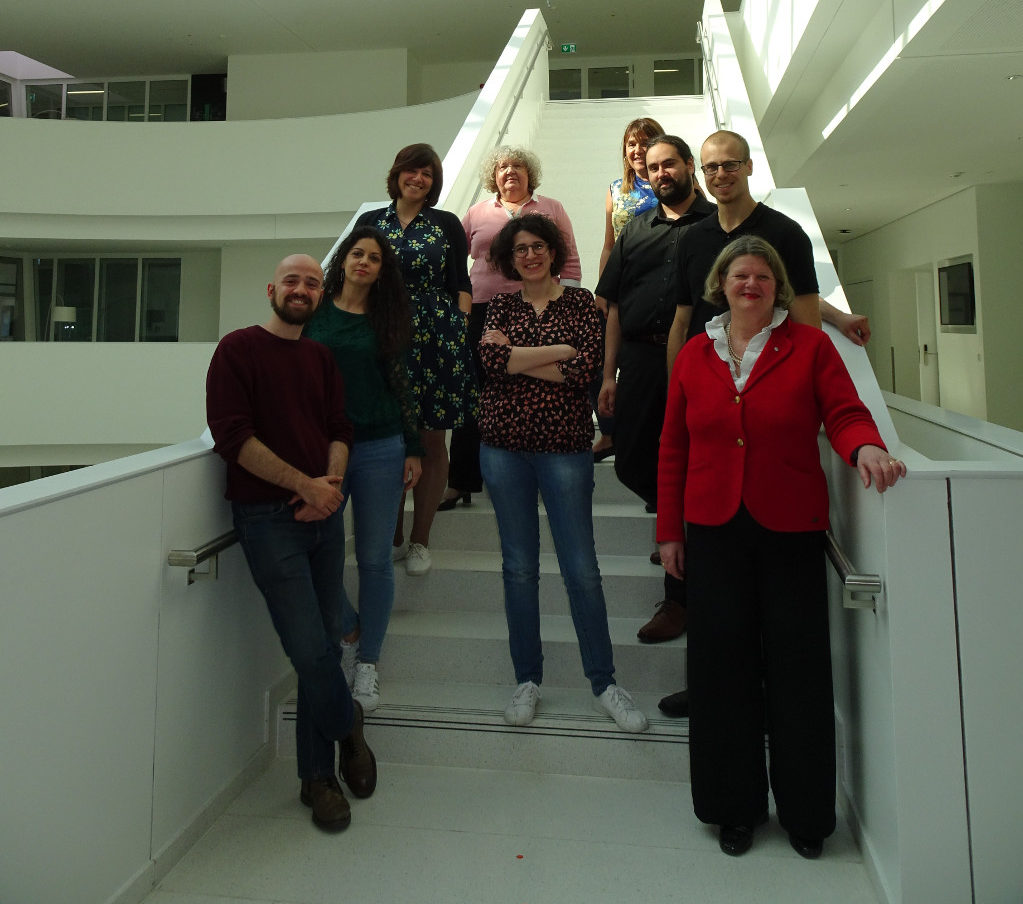
The Leadership Meeting 2019 was kindly hosted by the hBar Omega Section at the Max Planck Institute for the Science of Light in Erlangen, Germany. From May 24 to May 25 section delegates from the whole network engaged in professional development and networking activities. Talks were given by EPS President Dr. Petra Rudolf and Action Committee member Araceli Venegas-Gomez.

The 8th Leadership Meeting was hosted at the Max Planck Insitute for the Science of Light.

Open Readings 2018

OR6

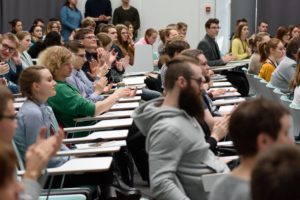
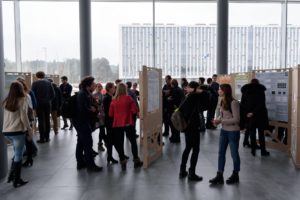
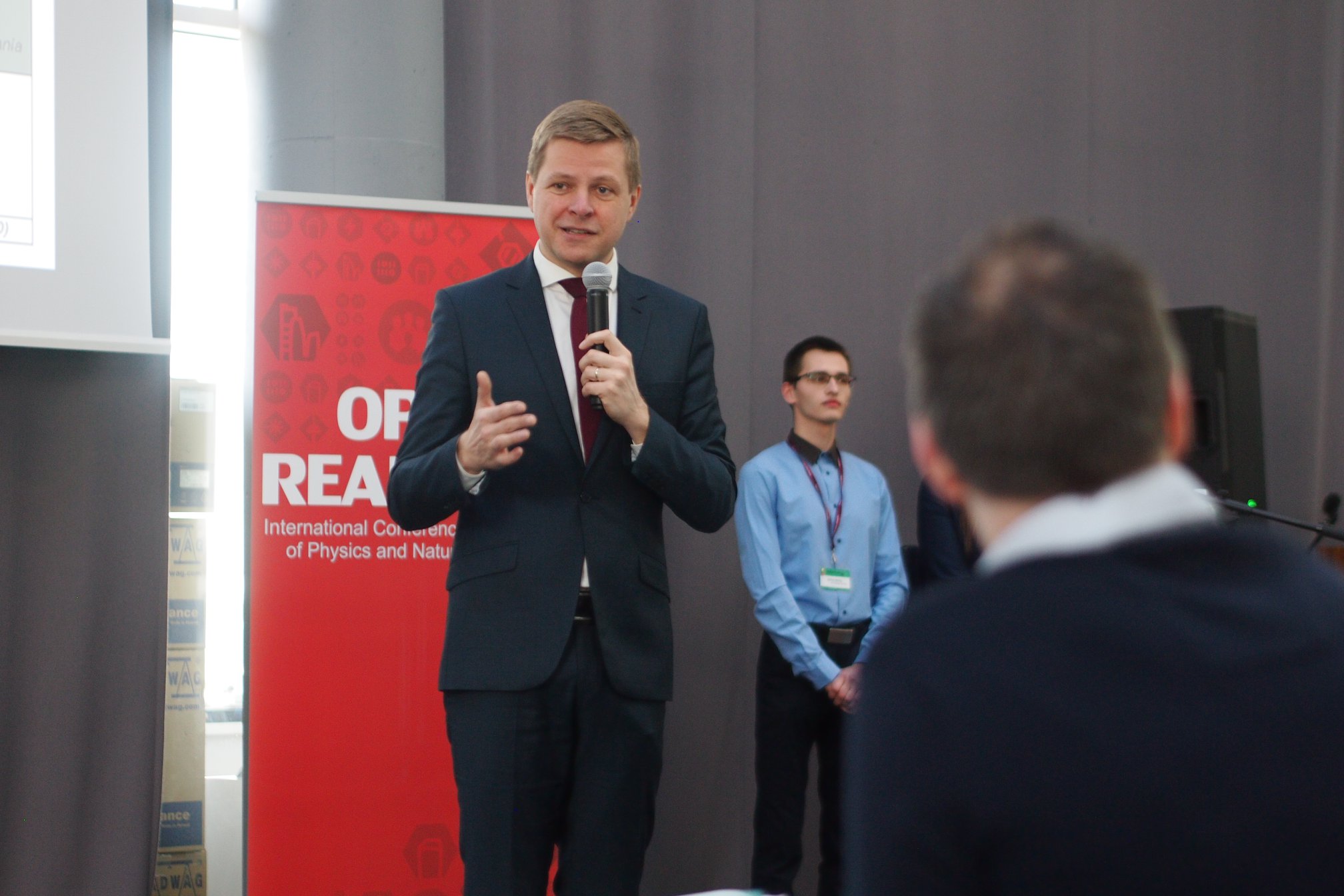
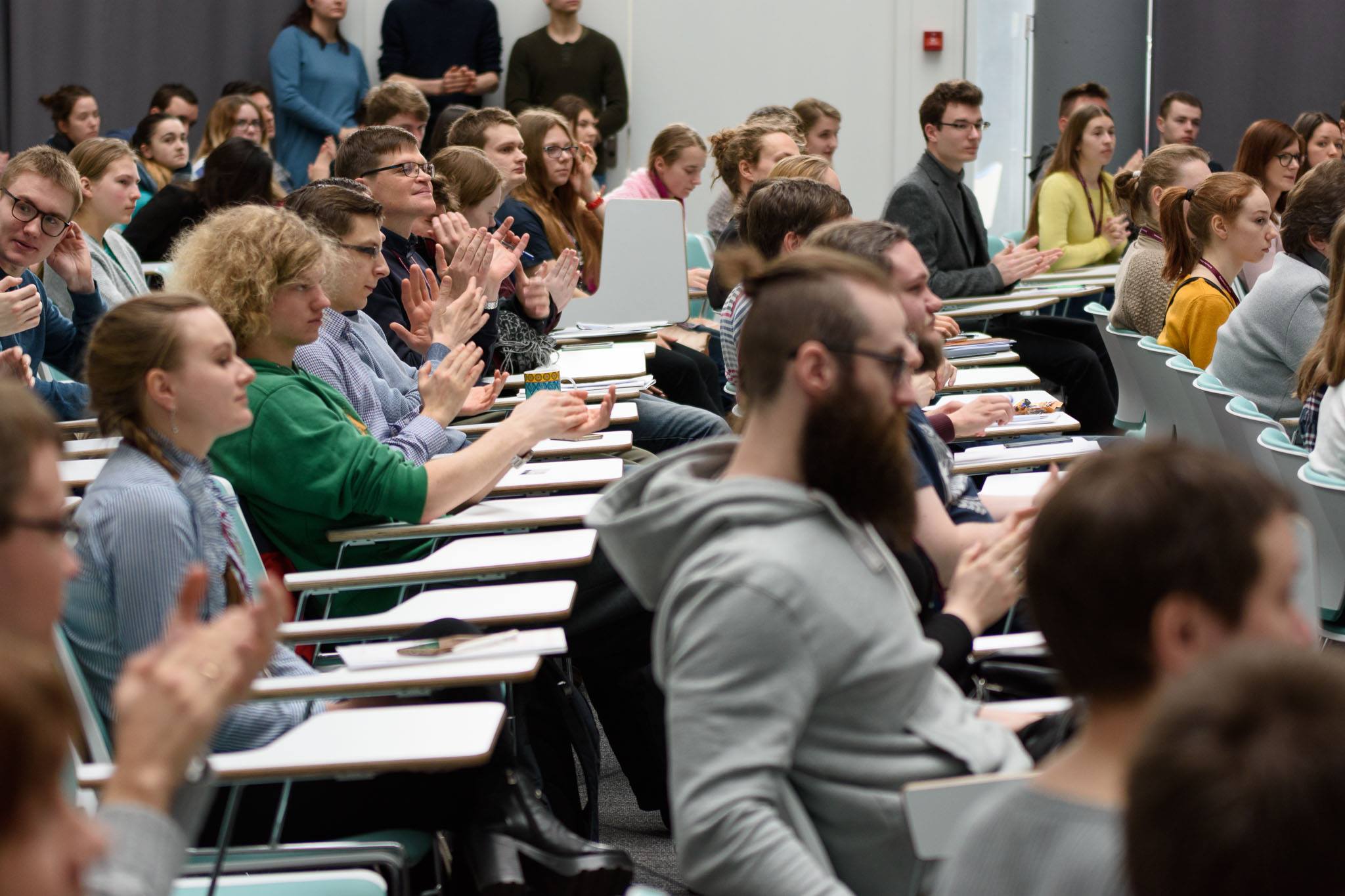
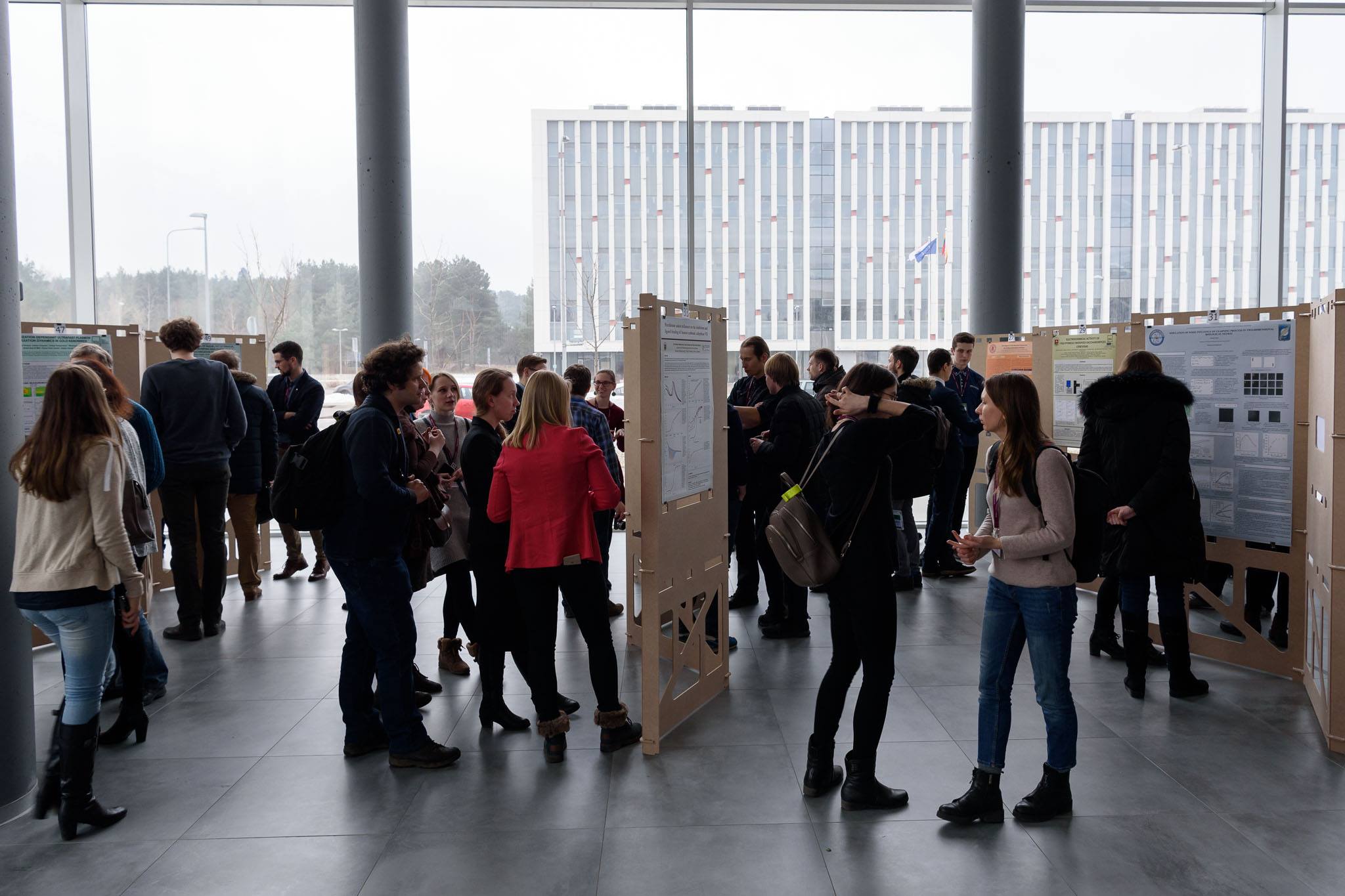
This year “Open Readings 2018” gathered above 306 presenters from more than 13 different countries: Norway, Sweden, Germany, Poland, Austria, Latvia, Serbia, Belarus, Czech Republic, Ukraine, Romania and Russia. Participants presented 11 different topics from Astrophysics and Computational Physics to Optoelectronics, Materials Science, Biomedicine, Chemistry, Nanoengineering etc.. Important statistics of participants: 96 Bachelor students, 97 Master students, 93 PhD students and 6 Postdocs. Through 4 days of the conference audience has listened to 56 oral presentations and watched over 250 poster presentations. This year we had equal ratio between female and male students. “Open Readings” invited 8 incredible lecturers from the World’s Top Scientists (USA, United Kingdom, Denmark, Belgium, Austria, Lithuania): Richard Brice Hoover – internationally known authority from NASA/Marshall Space Flight Center, Andrea Alù – inventor of novel waveguides, scattering devices and a cloaked sensor device (University of Texas at Austin), Peter Uhd Jepsen – leading scientist in the Terahertz Technologies & Biophotonics research group, Julija Krupič – developed a fascination with the way the brain maps the environment (University of Cambridge, Department of Physiology, Development and Neuroscience), Rasuolė Lukošė – is developing new sensing possibilities in graphene, Andrius Baltuška – alongside two colleagues, shared a world record for creating the shortest blip of light in history. They produced a flash of light lasting only 4.5 femtoseconds (0.000 000 000 000 004 5 seconds), Roel Baets – has led major cooperative research initiatives in silicon photonics in Europe, Audrius Alkauskas – works with point defects in 2D materials for quantum technologies.

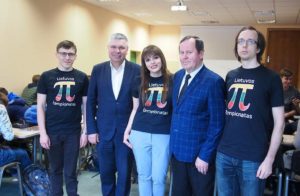
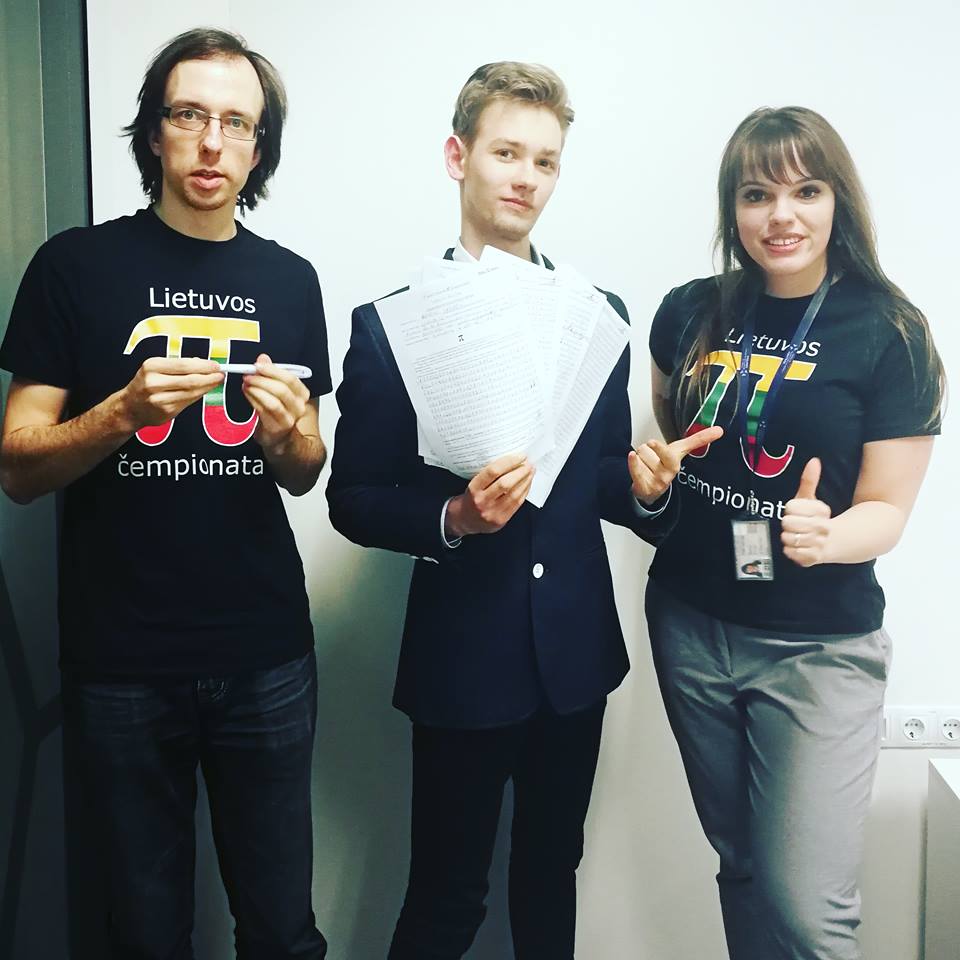
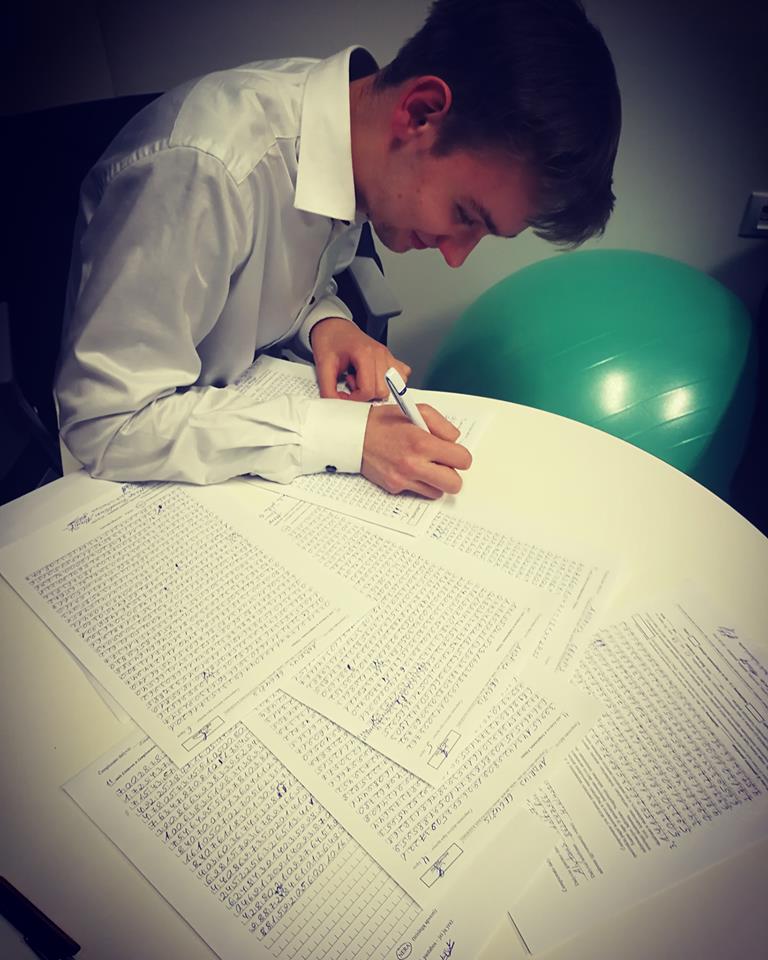
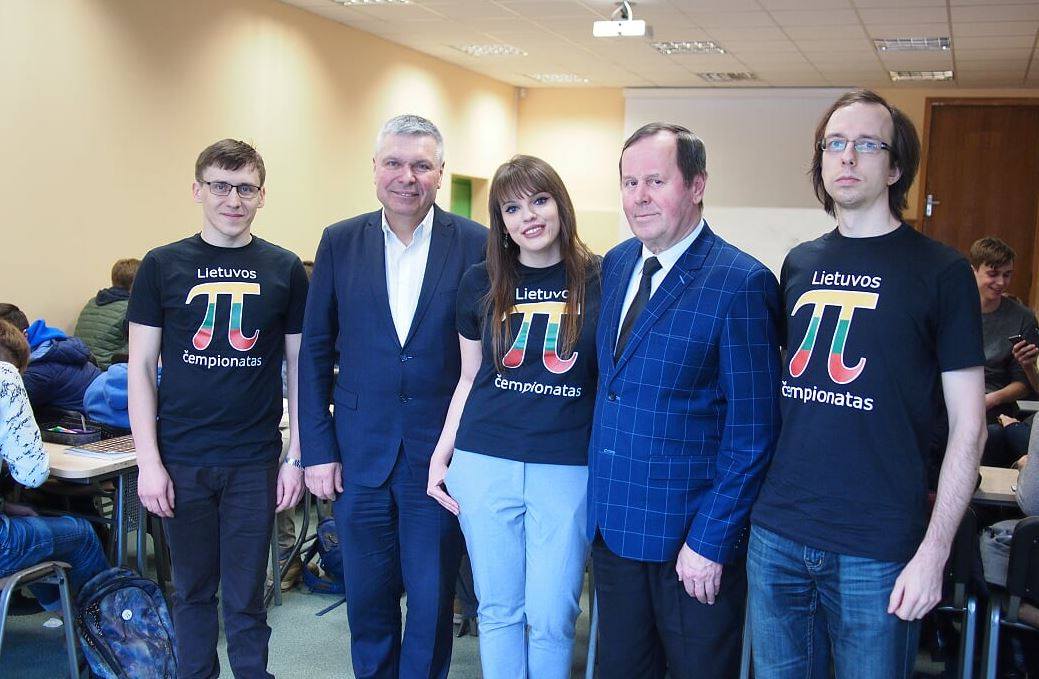
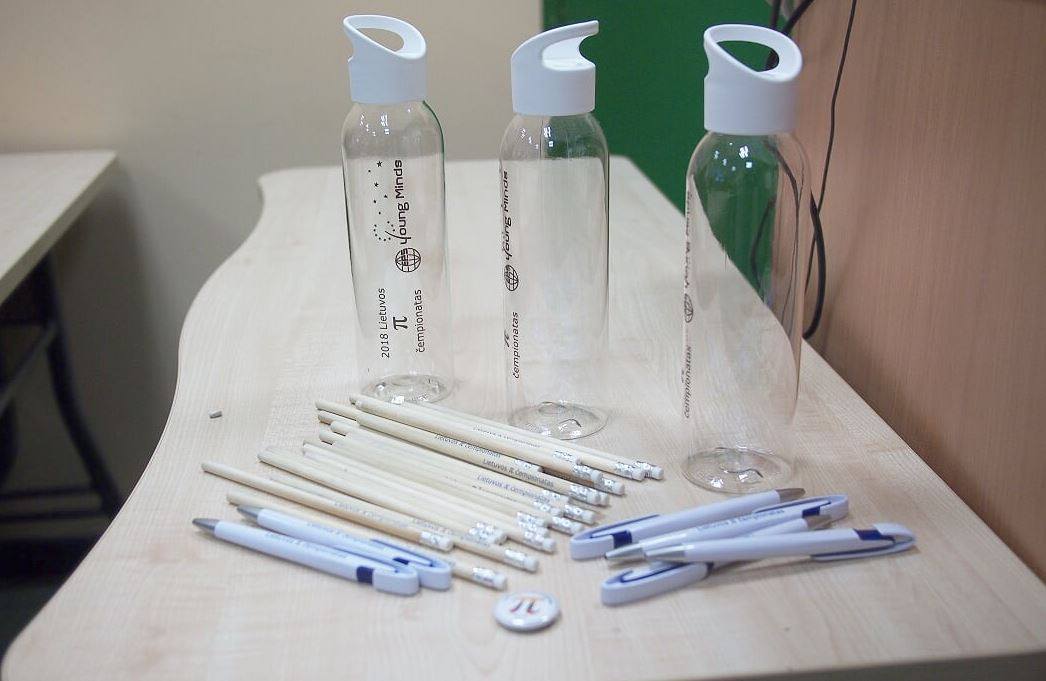
“Open Readings 2018” took place from March 20-23rd, in the largest scientific research institution in Lithuania Center for Physical Sciences and Technology. It is the most advanced base for physical and chemical sciences, technology not only in Lithuania but in all Baltic States. It is currently headquartered in a state of the art four-stories building of 27 thousand square meters. Here not only the innovative science but also high technologies expedient for business and society needs are developed. European Physical Society Young Minds Section of Vilnius (EPS YM Vilnius) has contributed to organization of this conference. During the conference “11th Lithuanian Π day championship”, which gathered one hundred of students and University workers, was organized. This year Lithuania Guinness record was broken once again – Andrius Gegužis memorized 10 003 decimal places of Pi (He is 1st in Europe). Winner was writing over 15 hours! EPS YM Vilnius was invited to give an interview for mass media and national television. Lithuanian community has heard about our section. We hope to continue this tradition! Further science popularization is needed.
OR5

OR2

OR2B

OR2C

OR4

OR7

Section Starting

img_20180604_133114

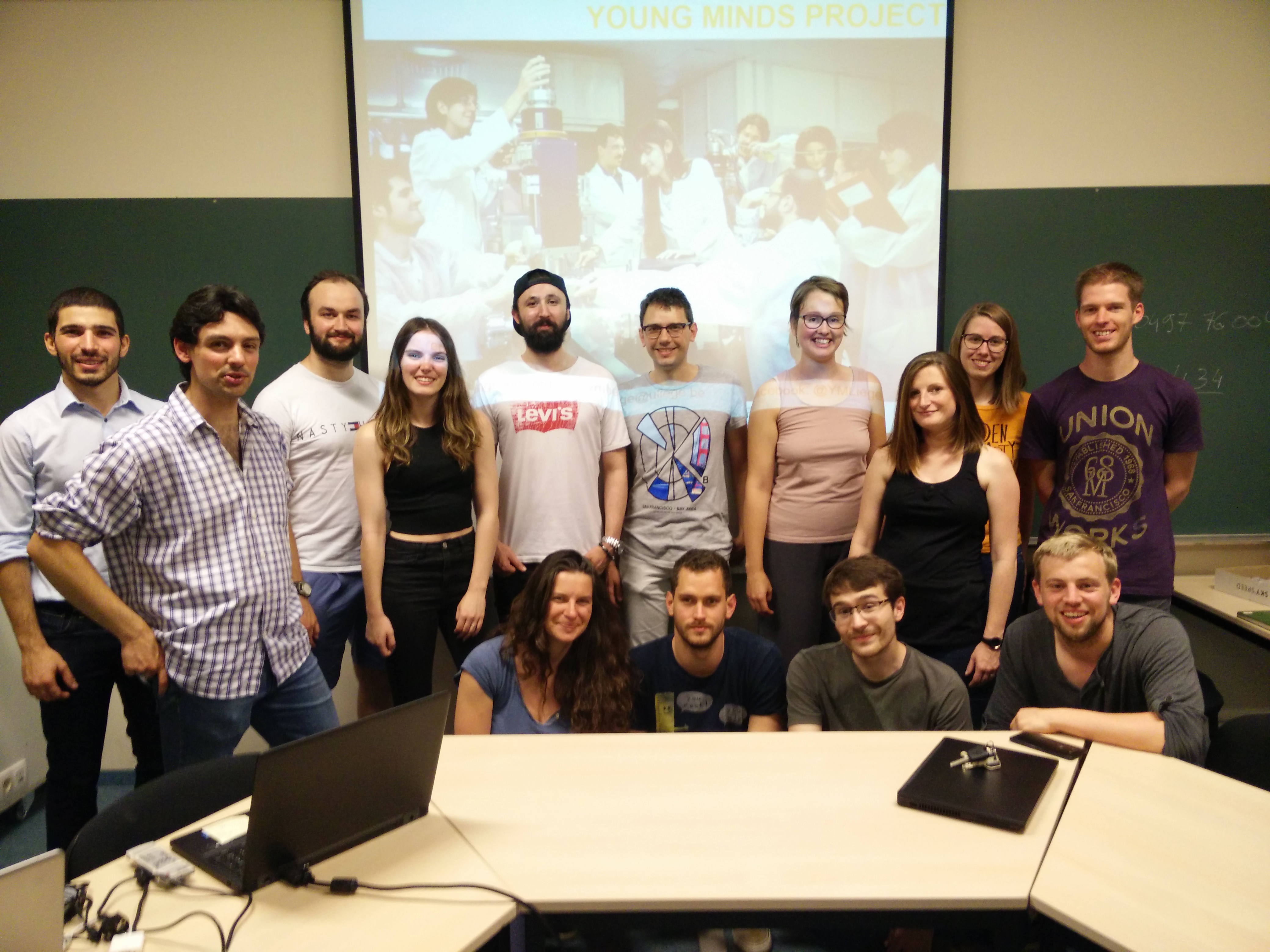
The Young Minds section of the University of Liège was created recently (May 2018). During the past months, our group has organized a “get-to-know-us” presentation for physics and space science students (masters, PhD and post-docs). It sparked great interest for the Young Minds activity in the Liège physics community. The objective was also to brainstorm ideas of activities to be organized for the upcoming academic year 2018-2019. This meeting, along with three other group reunions over two weeks, lead us to the idea of a networking event under the theme “Physics and Sport” (see the corresponding document for more details), during which we will test activities we plan using to create an outreach event destined to high school students. It also allowed us to gather motivated PhD students with experience in science outreach event (sci-fi movies analyses, broad audience communication, …) and effectively reinforce the initial team. We have also made contact with a local organization specialized in the field of science popularization at the University of Liège (“Réjouiscience” – http://rejouisciences.uliege.be) and they showed enthusiasm in collaborating with us in the organization of physics outreach events. We committed to participating in the next edition of their “Printemps des Sciences”, a yearly, high-impact science fair week for schools and general public in the Liège area. Members of our team are also dedicating their time to the construction of a website (www.ymliege.uliege.be) and a Facebook page (“YMLiège”) for more visibility. We created a public mail address: youngminds@uliege.be.

Our group takes the opportunity to be part of the Young Minds network very seriously, and we think we are off to a great start. We hope that the aforementioned activities testifiy our motivation for holding physics-related events and for growing the Young Minds network.